Tuesday, 7 May 2013

Starting to Plant

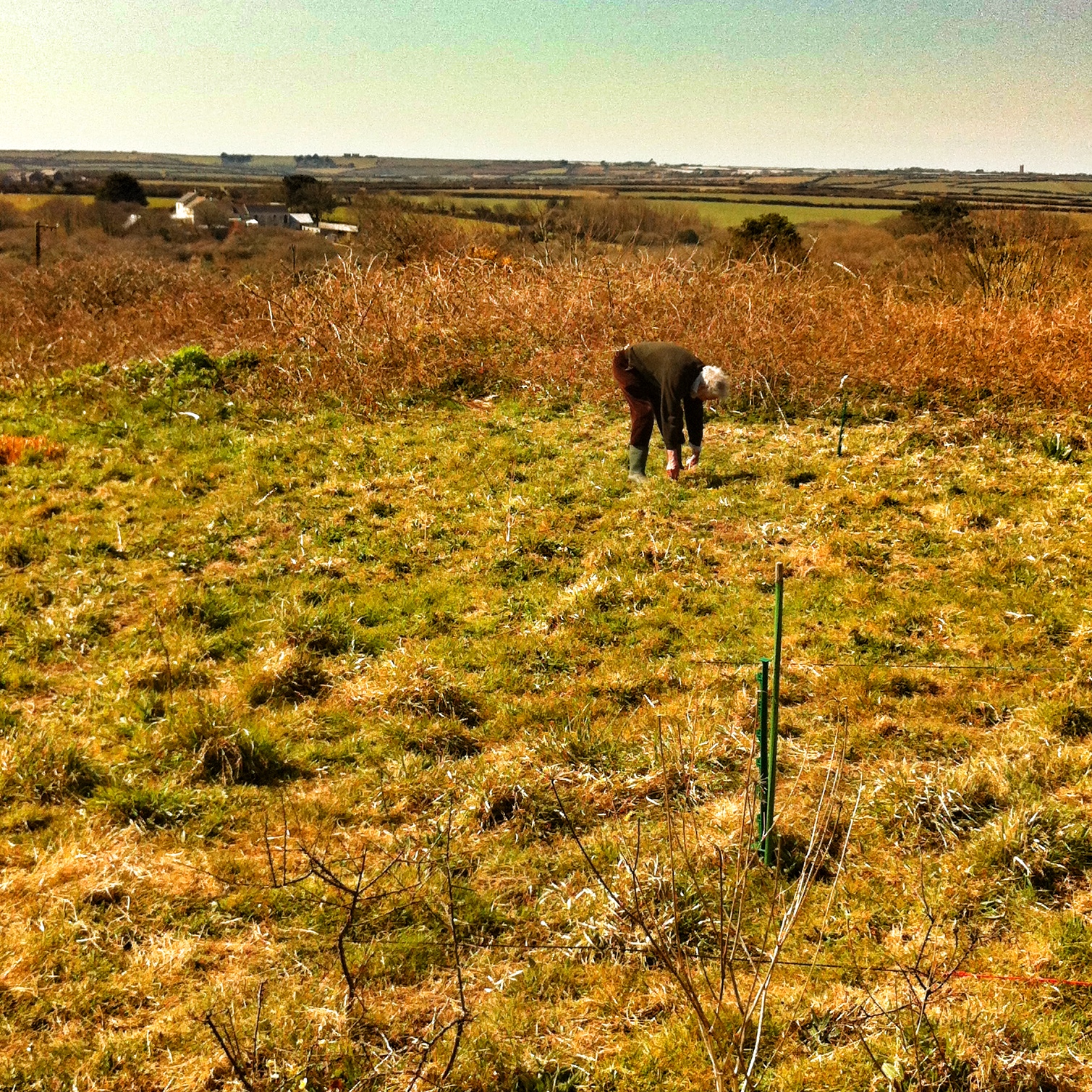
Our plot is 250sq m. 24m x 11m. This has been divided into eight 1.4m X 10m beds. The site is south west facing and the whole plot gets full sunshine all day. I have found out too late that my shade loving plants will have nowhere to hide this year, and I will have to plan for this next year.

The first job was to mark out the beds. These are narrow enough to tend without stepping on them. Hopefully now the site has been ploughed we will be able to keep this as a no dig allotment. The first rule of no dig gardening is to never stand on your beds. After lightly tramping down the soil to make seed beds after the ploughing, this rule is now in place. DO NOT STEP ON THE BEDS.

Immediately 3 beds were put down to green manure. This means we can now forget about the beds and not worry about weeds too much. The mulches will keep the fertility of the soil up, and 6 or so weeks before we are ready to plant, all we do is cover the green manure with farmyard manure, a layer of cardboard or newspapers, water well, and plant straight into the enriched soil when we are ready. Or we can do this over the winter, it will take a little longer, but we will have lovely, ready to go beds next spring.

The fourth bed has been planted with Yakon - Smallanthus sonchifolius, a Peruvian Tuber, Jerusalem Artichokes and 3 squash plants.
 
 
Yakon ready for planting


Yakon in the soil


Bed five has been planted with 4 Globe artichokes, which have been interspersed with courgettes. We then broadcast Yellow Trefoil green manure over the bed, leaving a decent space around the plants. This is a low growing green manure which will keep the space on the bed covered while the courgettes spread. They should just spread over the trefoil, cutting off its light so it will rot down into the soil. If it grows to high it can just be cut down with shears and the cuttings left on the soil to rot down.


These five beds have been covered and planted up very quickly, and should look  after themselves now while we concentrate on the remaining 3 beds of vegetables.

Sunday, 5 May 2013

Ready to go.


It took a local farmer 15 minutes to chop up all the turf and plough it in. (He has also offered to bring a trailer full of farmyard manure for us to rot down for the autumn) The 250sq metre plot is now ready for marking up into beds and paths. Most of the plot will have green manure planted on it for the time being as it will take a while to cultivate the whole plot. The aim is to leave as little soil as possible bare. We are trying out a selection of green manures from greenmanure.co.uk . Some of the plants can be dug in in as little as 2 months, while others like the white clover can be left for up to 5 years. We have also bought some Yellow Trefoil which can be planted around plants like the globe artichokes, courgettes and squashes to keep the soil covered while the plants grow. If the Trefoil is allowed to flower it will encourage bees and beneficial insects to the site to help pollinate the squashes and courgettes. Flattened cardboard boxes will be laid on the beds which we plan to plant up within the next two months.


Wednesday, 1 May 2013

Stocking up,

 
Plants from the garden centre waiting to be planted on the allotment. As the winter has gone on so long this year we are saving a bit of time by buying courgettes, squash, globe artichokes, parsley and chives ready to plant.


Home grown tomatoes hardening off ready to plant out. Gardener's delight and Black Russian which both came free with magazines.
 
 
The Yakon are also ready now for planting out on the plot.


Spring Flowers on the Allotment

Nothing hs been planted on the allotment yet, but the field has a lot of Cornish spring flowers to britghten up the plot. These are all outside the badger/rabbit fence, so will not be disturbed by the vegetables.


Sunday, 28 April 2013

Badger Proof Fence

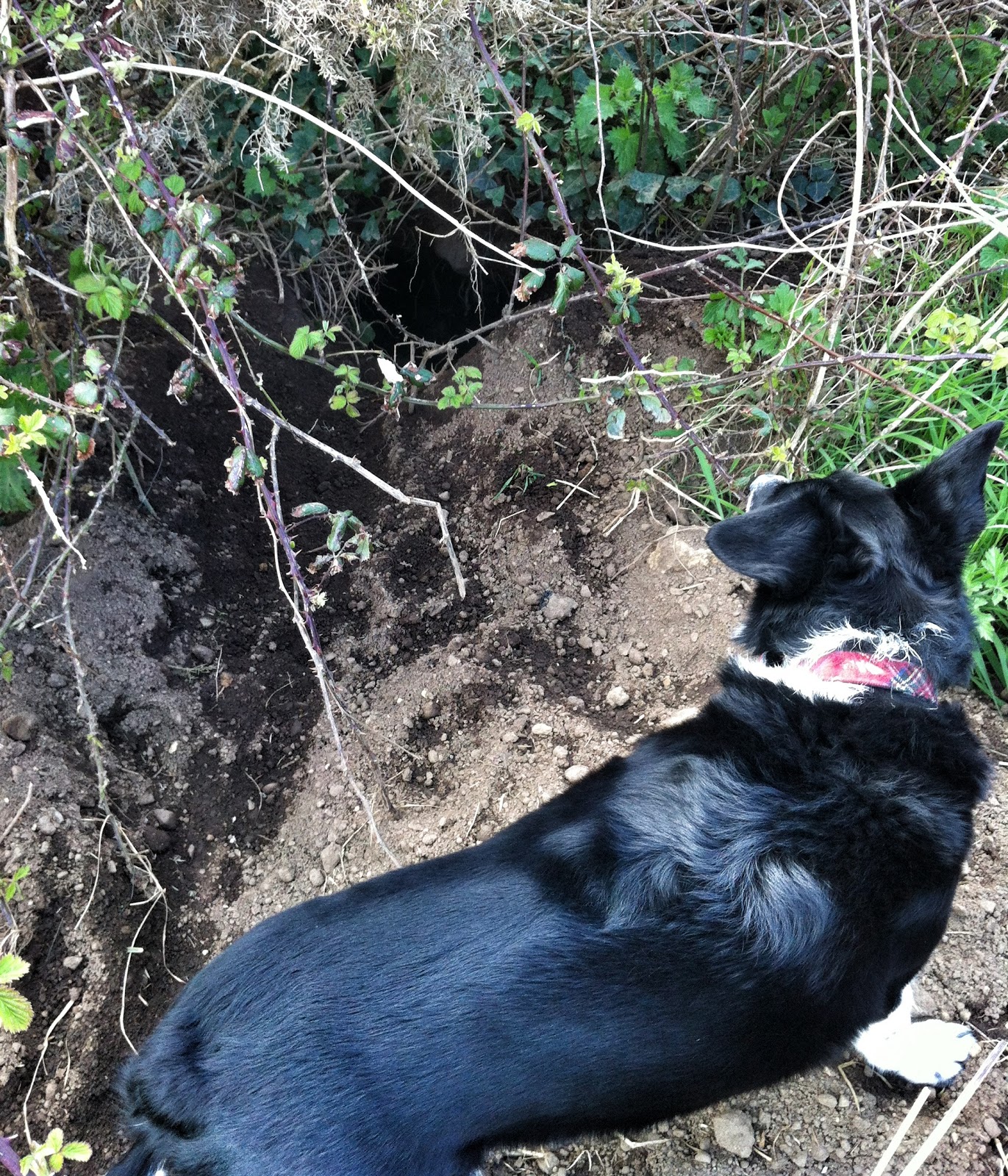
Badgers are a problem on this plot. The field has a large badger set in one corner, and several burrows around the edges. On Friday the plot was marked out with string. By Saturday morning the badgers had shredded and distributed the string over the plot.


Jasper the allotment dog inspecting a badger set.
 
Before any planting can be done the site needs surrounding with a badger proof fence. The bottom of the fence is to be folded at right angles with six inches of fence buried under ground to deter badgers and rabbits.
 
 
 Putting in fence posts and unravelling the fencing.
 
 
 The fence ready to go up, with the channel dug to bury the fencing in.
 
 
The fence in with the soil put back over the fence barrier.


Sunday, 7 April 2013

APRIL 7, 2013

Dug up yesterday, a well worn hobnail boot. The sole is covered with hob nails, and the boot is heeled with a small "horseshoe". The boot is very small and would fit an average
10-11 year old.


Saturday, 6 April 2013

APRIL 6, 2013

At last the first signs of spring. Today the temperature reached 11degrees, so we took the opportunity to make a start on the allotment. A lot more work needs doing before we can even start thinking about putting in any seeds or plants, but at least it feels like we are moving in the right direction. A local farmer has kindly offered to come and plough the field for us, doing in less than an hour what would take us several days to do with a small rotavator. But before he comes we still have a bit more preparation of the plot to do before it is "tractor ready"
 
 
Dad pacing out and measuring our plot before the final bit of clearing.
 
We have made a start by planting up a few tender plants inside on windowsills, and these plants are now sprouting inside out of the cold, ready to plant out when the weather improves - and when the plot is ploughed and badger proofed. I have been researching badgers and allotments on the Internet, and the general consensus is that they are not too much of a problem. However, we lost a large ball of nylon string which we were using to mark up the plot. Searching for it today we followed the end tied to a marker post across the plot and down into a badger set. When we pulled on the string, it came up neatly chewed off
so a whole ball of bright yellow string is now deep inside the set. Badger proofing has now moved up in importance on our list of "to do".


Yakon

Our first plants are coming up inside in the warmth. The very first planting was Yakon, Smallanthus Sonchifolius, or Peruvian Ground Apple. These are apparently crisp sweet tasting roots from the Andes. They are supposed to taste like an Asian pear raw, and like the finest Jersey Royals when steamed. One plant can produce between 5-10 kilos of tubers. According to James Wong in his book Homegrown Revolution Yakon is rich in a complex sugar known as inulin, which despite its sweet flavour is not absorbed by the body, so it's a great food for diabetics and slimmers. James Wong was on Gardeners Question Time a few weeks ago promoting Yakon as the perfect alternative to the other more famous Andean tuber, the blight sensitive potato.
Our Yakon came from yakon.co.uk, 5 tubers for £12.50 including postage. They can be sown in pots on a sunny window sill in April, and planted out when they reach 30cm in height. Hopefully the badger fence will be up before then. We are planning to save a few tubers in the same way dahlias are stored overwinter to plant out next year.
 
 
The second thing we planted were Gardeners delight tomatoes - the seeds came free with a gardening magazine. They are now potted on and enjoying a sunny windowsill.